


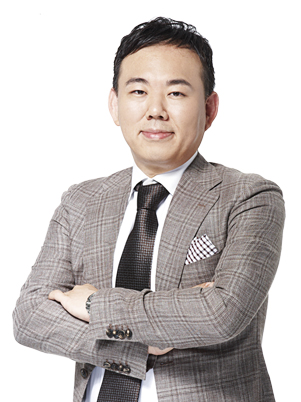
Dear esteemed members of the Korean Society for Anti-Aging Dermatology, Greetings to all of you. I am Kwangho Han, who has served as the president of the Korean Society for Anti-Aging Dermatology since 2019.
To all our beloved and respected members of the Korean Society for Anti-Aging Dermatology, The Korean Society for Anti-Aging Dermatology is a medical academic organization composed of board-certified dermatologists. It was established in October 2017 with the aim of providing safe and effective guidelines for Botox and filler procedures.
It was the culmination of six years of effort since the establishment of the Korean Society for Dermatologic Anti-Aging Research on April 11, 2011, when a group of board-certified dermatologists, including not only clinicians but also university professors, joined forces to study anti-aging procedures in a more systematic manner.
In the early days, our focus was primarily on Botox, fillers, and thread lifting. However, over the years, our sessions have expanded to cover core knowledge that underpins anti-aging procedures, such as clinical anatomy and the mechanisms of aging. We have also begun to address the latest trends in dermatologic anti-aging treatments. As various anti-aging procedures and techniques continue to emerge and concepts of treatment evolve dynamically, it has become increasingly important to embrace these changes through our society and apply them in clinical practice.
The hands-on sessions for botulinum toxin and filler, held the day before the main conference, will serve as an educational opportunity where mentors with over ten years of experience generously share their safe and effective techniques, as well as their personal insights.
Yongsan, Seoul—our main conference venue—offers convenient access from all regions of the country, and we expect it to be a place of unity where many members can come together to exchange knowledge and build meaningful connections. We also hope this event will be particularly helpful to residents who have chosen dermatology as their career path.
I would like to take this opportunity to express my heartfelt gratitude to Dr. Sungjae Yoon, Chair of the Scientific Committee; Dr. Woonkyung Jung, Executive Director of Academic Affairs; and all our dedicated board members, speakers, and session chairs whose hard work and commitment made this conference a success.
I sincerely wish all our members good health and happiness.
Thank you.